

Management of Risk is crucial for modern firms\ Pakistani businesses. Effective risk management enables executives to defend their businesses from setbacks. It contributes to the security of operations, finances, and reputation. You create a solid basis for long-term company growth when you approach risk as a strategic priority.
All Pakistani businesses, regardless of size, deal with uncertainty. Costs increase, markets fluctuate, and laws change. Even a well-established company may suffer in the absence of effective Management of Risk. However, if you plan ahead, you can take advantage of opportunities and be ready for risks. Your company can endure shocks and stay on course with the support of a strong risk framework.
Nonetheless, every company has risks. These risks could be from internal operations, the market, the economy, or technology. Leaders who are aware of risk management safeguard the business and encourage consistent expansion. Management of risk involves identifying potential issues, analyzing their effects, and taking action to mitigate or prevent them.
Risk seems uncertain to a lot of Pakistani businesses. The economy is constantly changing. Changes in laws, prices, and world events impact local markets. Under such circumstances, effective Management of Risk becomes essential to the success of a corporation. Leaders make better decisions when they adhere to a structured risk plan. They also prevent a lot of losses brought on by unforeseen issues.
Additionally, the Management of Risk boosts trust in the business. A company that takes risks seriously is trusted by clients, employees, and investors. People feel comfortable working with you when they have faith in your company. This trust accelerates the company’s growth.
Long-term planning is also enhanced by a healthy risk strategy. It gets the company ready for problems like supplier shortages, market slowdowns, and technological malfunctions. A corporation that is well-prepared always outperforms one that responds slowly.
Furthermore, the Management of Risk is not limited to large corporations. It also helps small and medium-sized enterprises. Every business needs to be shielded against monetary damages. Early Management of Risk helps organizations stay focused on expansion while reducing stress.
To put it simply, Management of Risk keeps company executives watchful, ready, and self-assured. It creates stability and provides the business with a solid foundation for the future.
Management of Risk: Determining the Main Dangers Modern Businesses Face

You need to be aware of the dangers you face before you can handle them. Every company faces a variety of risks.
Financial risk includes things like unexpected spending, growing interest rates, and cash flow issues.
Process errors, ineffective workflows, or inadequate employee training are examples of operational risk.
Market risk includes shifts in consumer demand, changes in the economy, and heightened competition.
Cyberattacks, data loss, system malfunctions, and out-of-date software come under technology risk.
Failure to abide by laws, rules, or tax requirements is known as compliance risk.
Nonetheless, Business executives can make plans by having a comprehensive understanding of these risks. The first step in effective Management of Risk is early detection.
Leaders need to be aware of the many kinds of risks before developing a plan. Leaders have more control over business processes when they recognize problems early.
Financial risk is the first category. This covers issues with financial flow, unforeseen costs, and adjustments to interest or tax rates. Inadequate financial planning puts strain on the company. These risks are decreased, and seamless operations are supported by a full-bodied financial system.
Operational risk is the second category. This involves inadequate training, flawed systems, or errors in routine procedures. Operational risks can result in consumer complaints, quality problems, or delays. Enhancing internal procedures helps in minimizing these issues.
Market risk is the third type. This has to do with shifts in consumer demand, competition, or the state of the economy. Inflation and political changes frequently cause market swings for Pakistani enterprises. A flexible approach helps in the stability of businesses.
Technology risk is another crucial area. These days, a lot of businesses rely on digital tools. Serious harm can result from system faults, data loss, and cyberattacks. These hazards are decreased by frequent upgrades, secure backups, and strong passwords.
Compliance risk is the final significant category. Government regulations and industry standards must be adhered to by all businesses. Businesses that disregard compliance risk fines, audits, and harm to their brand.
Business executives can improve their planning by being aware of these hazards. They can shield their businesses from preventable losses. Reliable and sustained growth begins with raising awareness.
How to Efficiently Evaluate Risk
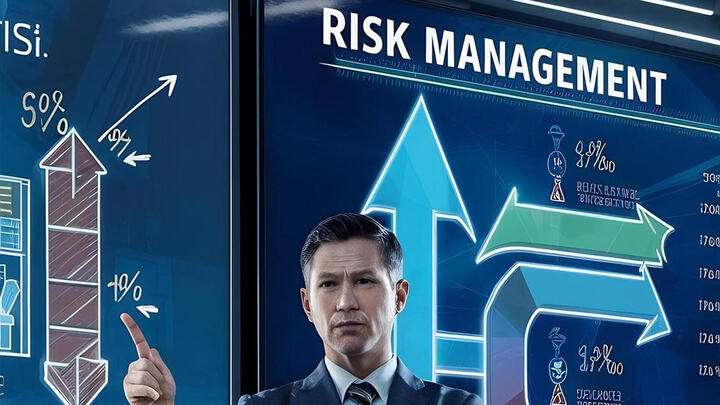
Leaders need to assess risks when they have been identified. A corporation can determine which risks are controllable and which are serious by using the Management of Risk assessment. This stage is crucial because it enables leaders to concentrate on the appropriate issues.
“What can go wrong in this process?” is a good place to start. This draws attention to flaws. Next, research each risk’s potential impact on the company. Take into account the effects on operations, customers, and finances.
Next, categorize hazards as low, medium, or high. A high-risk problem could result in significant financial loss or reputational harm. These dangers require quick attention. It is necessary to keep an eye on and manage medium risks. Simple routine inspections are necessary for low risks.
Frequency is a crucial component in risk assessment. “How often can this problem occur?” is a question that leaders need to ask. While some hazards are common, others are uncommon. Setting priorities is assisted by an understanding of frequency.
It is quite beneficial to create a risk record. It is a direct booklet that enumerates every risk, its seriousness, and its preparations. This document is guidance for managers and staff. Everyone is kept informed about potential difficulties.
Leaders can create action plans after the assessment is finished. These strategies ought to be practical and simple to implement. Good evaluations enable businesses to plan forward and react promptly to problems.
Clarity is provided by risk assessment. It helps businesses in concentrating on what really counts. Regular risk assessments help firms remain flexible and well-organized.
Creating Workable Risk Mitigation Techniques

Risk mitigation refers to taking proactive steps to lessen the impact of risks. Strong plans are essential for any firm to efficiently manage risks. These tactics create a healthy work environment, safeguard operations, and save money.
Risk avoidance: This involves eliminating risky activities. For instance, a company can move to more solid suppliers if it interacts with untrustworthy ones. The business is shielded from delays and costs by avoiding such risks.
Risk reduction: This requires taking action to minimize the harm. Operational risks can be decreased by training staff, enhancing quality assurance, and updating systems. Errors are reduced when procedures are improved.
Transferring risk: This covers contracts where another party shares the risk, insurance, and outsourcing. For instance, insurance shields a business from monetary loss following mishaps or natural disasters. Certain duties might be outsourced to relieve pressure and transfer accountability.
Accepting danger: Not every risk calls for action. Certain hazards have little effect and don’t hurt the company. In these situations, leaders take the risk and keep a close eye on it.
Businesses can develop a strong risk strategy by combining these tactics. Eliminating every risk is not the aim. It is to handle them in a wise, economical, and effective manner.
A well-thought-out mitigation strategy keeps businesses prepared for obstacles. Additionally, it keeps business processes running smoothly and provides leaders with level-headedness.
Increasing Internal Controls to Improve Security

Internal controls are policies and practices that assist in shielding the business against fraud and mistakes. Strong internal controls increase accuracy and raise company confidence.
Clear documentation is a crucial control. Every transaction needs to be properly documented. This promotes transparent audits and lessens financial errors. Effective documentation also aids businesses in adhering to regulations.
Separation of roles is another crucial regulation. A complete process shouldn’t be managed by a single employee. The probability of fraud is reduced when responsibilities are separated. Additionally, it enhances workplace accountability.
Frequent internal audits are also beneficial. These audits examine procedures and point out areas that require improvement. They guarantee that workers adhere to corporate guidelines. Internal audits identify problems early on, preventing more serious ones.
Technology is also very important. The business is shielded from cyberattacks by using secure software for data storage, payroll, and accounting. Strong passwords and frequent system updates provide an additional degree of security.
Additionally, employee training is crucial. Employees follow the proper processes when they are aware of the company’s policies and hazards. Training lowers human mistakes and increases awareness.
A culture of accountability and discipline is produced by healthy internal controls. They improve the company’s safety, dependability, and growth readiness.
Creating a Culture of Risk Awareness in Business
Top executives are not the only ones responsible for the Management of Risk. Every employee needs to be aware of its significance. A corporation gains strength from within when it cultivates a culture of risk awareness.
Open communication is the foundation of the best culture. Leaders should urge staff members to disclose problems as soon as they arise. Problems are resolved more quickly when employees feel free to voice concerns.
This culture is also supported by regular training. Workers need to be aware of how their behaviors impact the business. They can recognize hazards and adhere to proper protocols with the help of training.
Additionally, leaders must set an example. Employees follow in the footsteps of leaders who uphold policies and validate accountability. Respect and trust are fostered by effective leadership.
A culture that is risk-aware lowers errors, fosters better teamwork, and boosts output. By keeping everyone aware and accountable, it also promotes long-term stability.
Effective Management of Risk promotes long-term company growth.
Every business has risks, but perceptive businesses confidently handle them with the Management of Risk. Smooth expansion, process improvement, and financial protection are all facilitated by effective risk management. Strong and stable organizations are created by leaders who assess risks and take appropriate action.